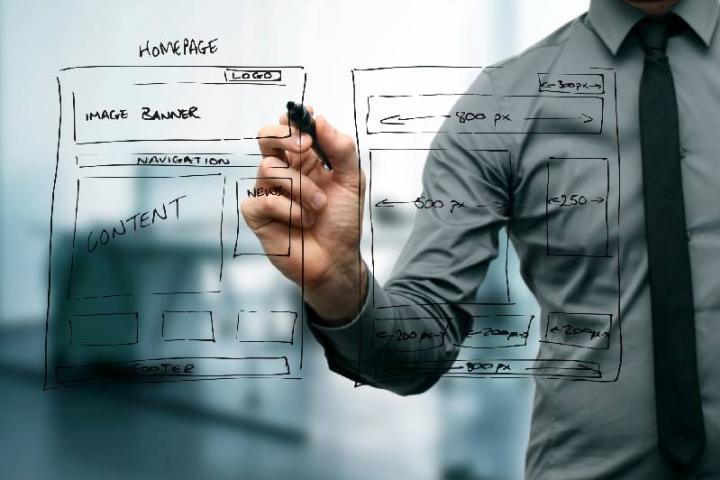
In today’s digital-first world, a website is more than just an online presence—it’s a brand’s identity, a marketing engine, and often the first point of interaction with customers. Website design and development together form the backbone of this experience, blending creativity with technical expertise to deliver platforms that are both visually appealing and highly functional.
Understanding Website Design
Website design focuses on the look and feel of a site. It’s about creating an engaging user experience through layout, color schemes, typography, images, and interactive elements. A well-designed website captures attention within seconds and guides users effortlessly through content.
Good design is not just about aesthetics—it’s also about usability. Elements such as intuitive navigation, mobile responsiveness, and fast loading speeds ensure that visitors stay longer and interact more. Designers often follow principles like simplicity, consistency, and accessibility to create interfaces that appeal to a wide audience.
The Role of Website Development
While design sets the stage, development brings it to life. Website development involves coding and programming to build a functional site. It is generally divided into two main areas:
Front-end development: This is what users see and interact with. It includes everything from buttons and menus to animations and layouts.
Back-end development: This powers the website behind the scenes. It involves servers, databases, and applications that manage data and ensure everything runs smoothly.
Developers use technologies like HTML, CSS, JavaScript, and various frameworks to create responsive and dynamic websites. Back-end development may involve languages such as Python, PHP, or Node.js.
Why Design and Development Must Work Together
A visually stunning website that doesn’t function properly will frustrate users, while a technically sound site with poor design will fail to engage them. The true power lies in the synergy between design and development.
Collaboration ensures that creative ideas are technically feasible and that functionality supports the user experience. This alignment leads to websites that are not only attractive but also efficient, secure, and scalable.
Key Elements of a Successful Website
To build an effective website, several critical elements must come together:
User Experience (UX): Focus on how users interact with the site.
User Interface (UI): The visual elements that users engage with.
Responsiveness: The ability to adapt to different screen sizes.
Performance: Fast loading times and smooth interactions.
SEO Optimization: Making the site discoverable on search engines.
Security: Protecting user data and preventing cyber threats.
The Future of Website Design and Development
As technology evolves, so do websites. Trends like artificial intelligence, voice search, and immersive experiences (such as AR/VR) are shaping the future of web development. Personalization is becoming increasingly important, with websites adapting content based on user behavior and preferences.
Moreover, no-code and low-code platforms are making website creation more accessible, while advanced frameworks continue to push the boundaries of what developers can achieve.
Conclusion
Website design and development are not just technical processes—they are strategic tools that define how a brand communicates and connects with its audience. By combining creativity with functionality, businesses can create powerful digital experiences that leave lasting impressions and drive success in an ever-competitive online landscape.