
Artificial intelligence is no longer a technology reserved for experimentation. Businesses across industries are moving beyond pilot projects and actively integrating AI into their operations to improve efficiency, automate repetitive tasks, and create better customer experiences. As organizations continue their digital transformation journey, two technologies are becoming central to this shift: AI Chatbots and AI Agents.
While these terms are often used interchangeably, they serve different purposes. Together, they are reshaping how companies interact with customers, support employees, and streamline internal workflows. Businesses are increasingly realizing that AI is not simply about automation—it is about creating intelligent systems capable of improving operations at scale.
Companies investing in an AI Development Company are now looking beyond basic automation and focusing on building intelligent ecosystems that support long-term growth.
The Evolution of Business Automation
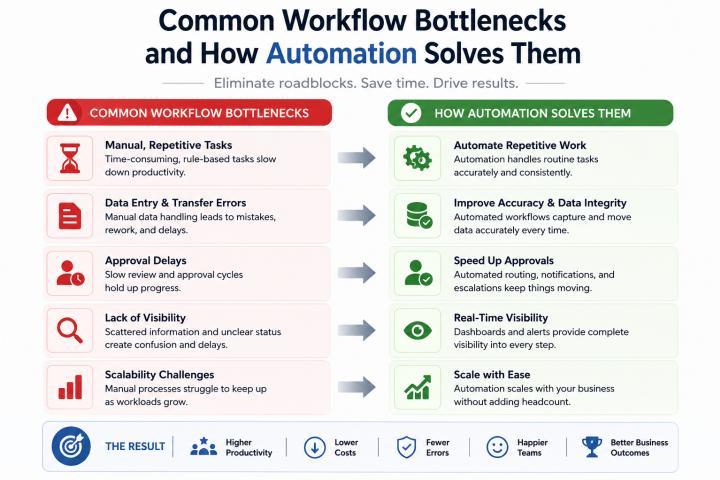
Traditional business operations often relied on manual processes. Customer inquiries required support agents. Internal approvals involved emails and follow-ups. Teams spent countless hours handling repetitive administrative work.
As organizations scaled, these inefficiencies multiplied.
Businesses initially introduced automation tools to reduce repetitive tasks, but many of these systems lacked flexibility. They followed predefined rules and struggled when situations became more complex.
Artificial intelligence introduced a new approach.
Instead of following fixed workflows, AI systems can understand context, analyze inputs, and adapt responses based on user needs.
This shift created the rise of modern conversational systems and autonomous agents.
How AI Chatbots Are Changing Customer Interactions
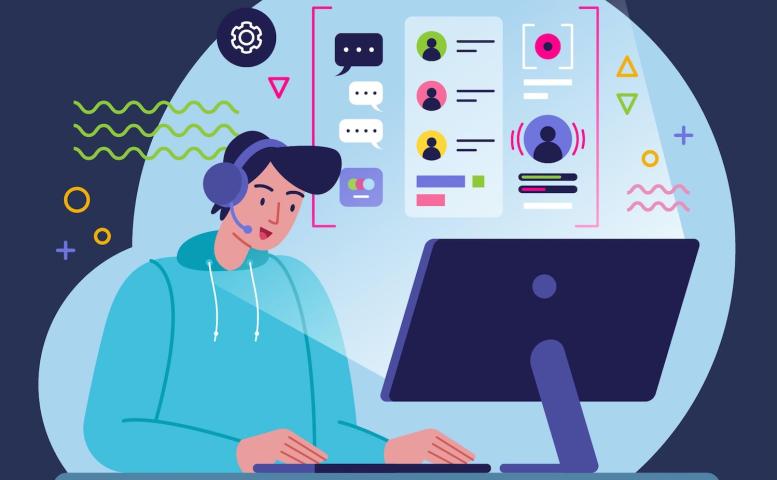
Businesses adopting AI Chatbot Development are transforming how they engage with customers. Unlike traditional support systems, AI chatbots can process natural language, understand intent, and respond instantly.
Organizations commonly deploy chatbots for:
- Customer support
- Lead generation
- Appointment scheduling
- Product recommendations
- Internal help desks
- FAQ automation
AI chatbots reduce response times while improving availability. Instead of limiting support to business hours, companies can provide assistance around the clock.
For growing businesses, this creates significant operational advantages.
A chatbot can simultaneously handle hundreds or thousands of interactions without increasing staffing costs.
More importantly, modern AI chatbots continue learning from interactions, allowing businesses to improve experiences over time.
Why Businesses Are Moving Beyond Chatbots
Although chatbots provide major operational benefits, many businesses eventually discover limitations.
Most chatbots specialize in answering questions and guiding conversations.
Complex workflows often require more.
For example, consider a customer request:
"Help me compare products, check inventory, generate recommendations, process payment, and schedule delivery."
Responding to this request involves multiple decisions and actions.
This is where AI agents are creating the next wave of transformation.
AI Agents Are Expanding the Scope of Automation
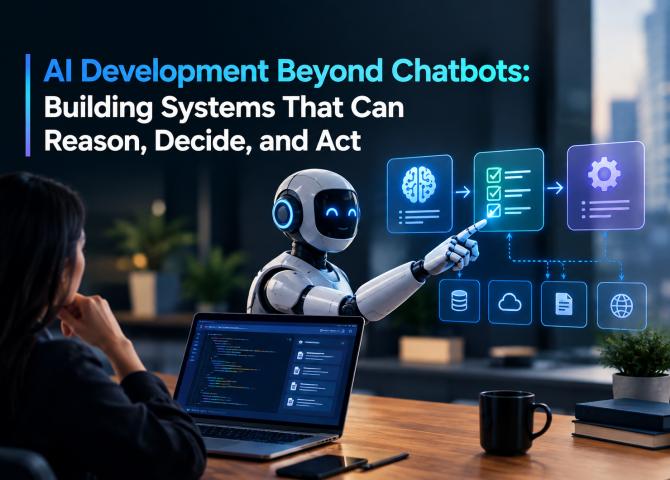
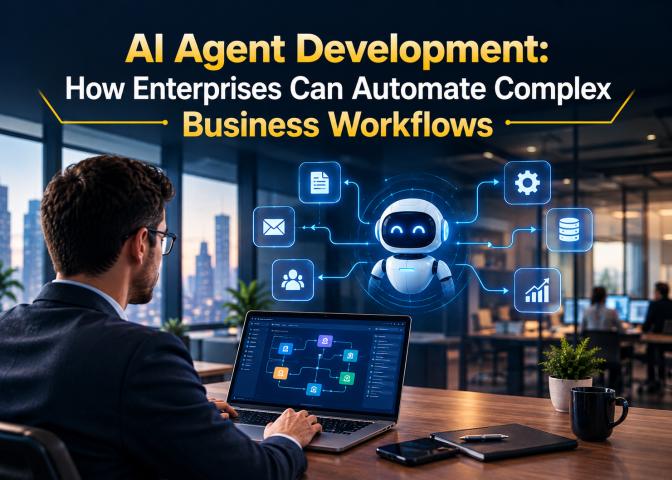
Organizations investing in AI Agent Development Company are moving beyond conversational interfaces and building systems capable of autonomous action.
AI agents differ from chatbots because they focus on outcomes rather than interactions.
Modern AI agents can:
- Understand objectives
- Break large tasks into smaller actions
- Access external systems
- Retrieve information
- Make contextual decisions
- Execute workflows
- Learn from previous activity
Instead of merely responding, agents increasingly perform work.
Think of chatbots as assistants.
Think of agents as autonomous team members.
This distinction is becoming increasingly important for businesses seeking operational efficiency.
Real Business Applications of AI Agents
Businesses are already exploring practical uses for AI agents across departments.
Customer Service Operations
Agents can:
- Analyze customer history
- Escalate urgent cases
- Retrieve account information
- Recommend solutions automatically
Sales Teams
AI agents can:
- Qualify leads
- Update CRM systems
- Schedule meetings
- Personalize outreach workflows
Human Resources
Agents can streamline:
- Candidate screening
- onboarding processes
- policy assistance
- employee support
Internal Operations
Organizations increasingly use AI agents for:
- workflow coordination
- report generation
- operational monitoring
- data analysis
As capabilities expand, agents increasingly act as productivity multipliers rather than simple automation tools.
The Rise of Hybrid AI Systems
Businesses often assume they must choose between chatbots and AI agents.
The reality is more nuanced.
Many modern systems combine both technologies.
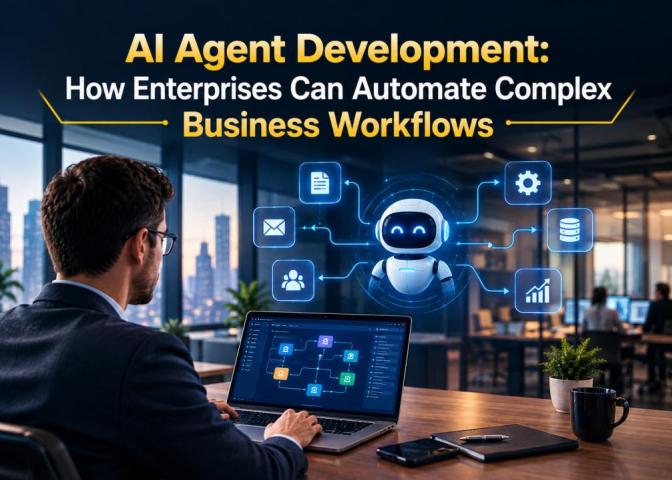
A customer may interact with a chatbot interface while AI agents work behind the scenes to:
- access databases
- analyze information
- coordinate systems
- execute workflows
- automate actions
This hybrid model creates a seamless user experience while improving backend efficiency.
Rather than replacing one another, AI chatbots and AI agents increasingly complement each other.
Why Businesses Need Strategic AI Implementation
Adopting AI tools without clear objectives often creates fragmented systems.
Technology alone rarely solves operational problems.
Successful AI implementation begins with understanding:
- business goals
- operational bottlenecks
- user behavior
- workflow complexity
- scalability needs
Businesses increasingly seek partners capable of connecting AI solutions with measurable outcomes.
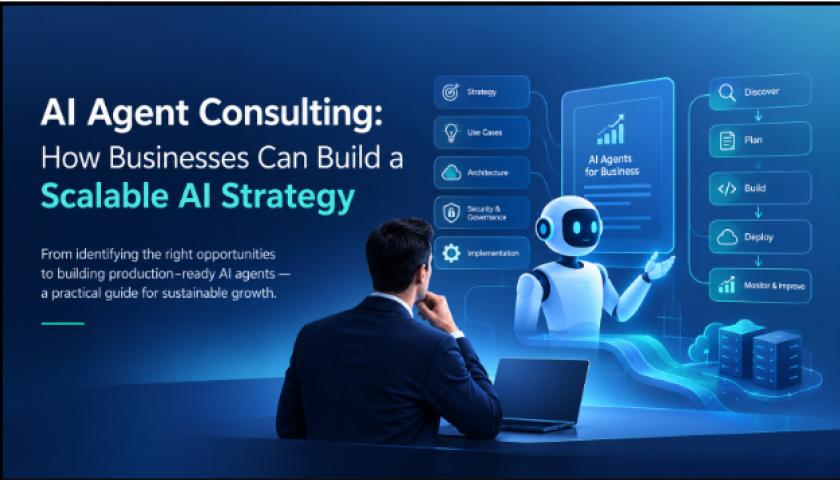
How Softean Helps Businesses Build AI-Driven Operations
As AI adoption accelerates, organizations need technology partners capable of delivering scalable and practical solutions.
Softean combines expertise in AI systems, workflow automation, and business-focused development to help companies create intelligent operational ecosystems. Whether organizations require advanced chatbot platforms, autonomous AI agents, or end-to-end AI implementations, the goal remains the same: transforming technology into measurable business value.
By combining expertise as an AI Development Company with deep knowledge of business automation, Softean helps companies build solutions prepared for future operational demands.
Final Thoughts
AI chatbots introduced businesses to intelligent customer interaction.
AI agents are now introducing businesses to autonomous execution.
Together, these technologies are transforming business operations by improving efficiency, reducing repetitive work, and creating more scalable systems.
The organizations gaining the greatest advantage will not simply be those adopting AI first.
They will be the businesses implementing the right AI systems to solve the right operational challenges.