Quick Summary: In commercial real estate, tenant retention and property valuations are heavily dictated by occupant comfort and acoustic quality. High noise levels, excessive reverberation, and poor speech privacy are leading drivers of tenant dissatisfaction in offices, retail centers, and residential developments.
Installing high-performance acoustic panels for ceiling systems intercepts sound overhead to create quiet, productive environments. Manufactured by Tranquil Global, premium acoustic ceiling panels serve as an essential asset management tool, increasing property value, reducing vacancy rates, and driving long-term tenant loyalty.
Introduction
Property owners and real estate developers face an increasingly competitive market. Modern tenants no longer evaluate commercial spaces solely on location or square footage; indoor environmental quality (IEQ), specifically acoustic comfort, plays a decisive role in lease renewals.
Open-plan layouts, exposed concrete, and large glass facades create visually striking spaces, but they also create severe acoustic challenges. Uncontrolled noise, echo, and lack of privacy reduce productivity, increase workplace stress, and generate persistent noise complaints.
When a building suffers from poor acoustics, tenant turnover increases, leading to costly vacancy periods and lost rental income. By proactively integrating targeted acoustic panels for ceiling assemblies, landlords can transform noisy, uncomfortable environments into premium, high-value real estate.
The Financial Impact of Acoustic Comfort on Real Estate
Investing in overhead acoustic treatments delivers direct financial returns across key real estate performance metrics:
1. Increased Tenant Retention Rates
The cost of acquiring a new tenant far exceeds the cost of retaining an existing one. High ambient noise and poor sound isolation are top complaints reported by commercial tenants during exit surveys. Providing quiet, comfortable working spaces directly mitigates occupant dissatisfaction, leading to higher lease renewal rates.
2. Premium Rental Rates per Square Foot
Buildings certified for superior indoor environmental quality command premium rental prices. Incorporating high-performance acoustic ceiling panels allows property managers to position their spaces as modern, health-conscious, and productivity-focused environments, justifying higher rent per square foot.
3. Lower Vacancy Periods and Faster Lease-up Times
Aesthetically pleasing, acoustically optimized spaces stand out during tenant walk-throughs. Demonstrating acoustic comfort during property tours reduces leasing friction and shortens the time a unit sits vacant on the market.
How Acoustic Ceiling Panels Control Overhead Sound
Because the ceiling represents the largest uninterrupted surface area in any room, it is the most efficient surface for sound management.
The Science of Overhead Absorption
When sound waves are generated in a room, a significant portion travels upward. If the ceiling consists of hard gypsum, concrete, or glass, up to 95% of that acoustic energy reflects back down into the space, creating a dense build-up of background noise.
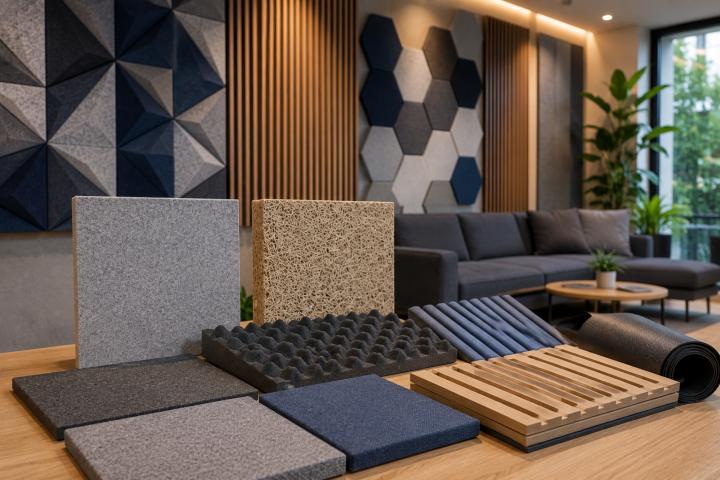
High-density Acoustic Ceiling Panels intercept these upward sound paths. Constructed from porous acoustic cores, such as high-density mineral wool, PET polyester fibers, or fiberglass, these panels absorb sound energy upon impact, converting kinetic sound vibrations into harmless friction heat.
Key Performance Standard: Noise Reduction Coefficient (NRC)
Overhead panels are rated by their Noise Reduction Coefficient (NRC):
- Standard Drywall Ceiling: NRC 0.05 (reflects 95% of sound).
- Tranquil Global Acoustic Ceiling Panels: NRC 0.85 to 0.95 (absorbs up to 95% of sound).
By replacing reflective surfaces with high-NRC ceiling treatments, property owners can achieve a dramatic reduction in overall room reverberation and background noise levels.
Read to know more about acoustic ceiling panels here: How Acoustic Panels for Ceilings Balances Design, Durability & Sound Control?
Strategic Applications Across Commercial Property Types
Some of the strategic applications across commercial property are as follows:
Corporate Office Buildings and Workspaces
In open-plan offices, speech privacy and focus are paramount. Installing acoustic ceiling arrays over workstations, conference rooms, and quiet zones dampens conversational noise, preventing chatter from traveling across the entire floorplate.
Multi-tenant Residential and Hospitality
In multi-family housing and hotels, impact noise from overhead floors (footsteps, moving furniture) and airborne noise are the leading causes of tenant friction. Utilizing floating acoustic ceiling panels or drop-ceiling tiles dampens structural vibrations and blocks airborne sound transfer between levels.
Retail Centers and Dining Establishments
In retail and dining spaces, excessive noise creates a chaotic customer experience that reduces dwell time. Installing decorative acoustic ceiling panels absorbs ambient clutter, allowing customers to shop and dine comfortably while encouraging longer stays and higher spend.
Educational Facilities and Learning Centers
Educational tenants require high speech clarity for instruction. Installing high-absorption ceiling panels lowers room reverberation, ensuring clear communication and supporting better learning outcomes.
Design Versatility: Combining Function with Architectural Elegance
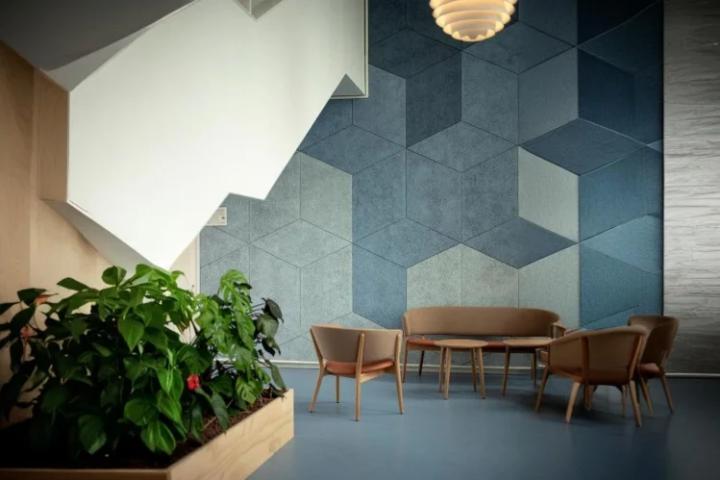
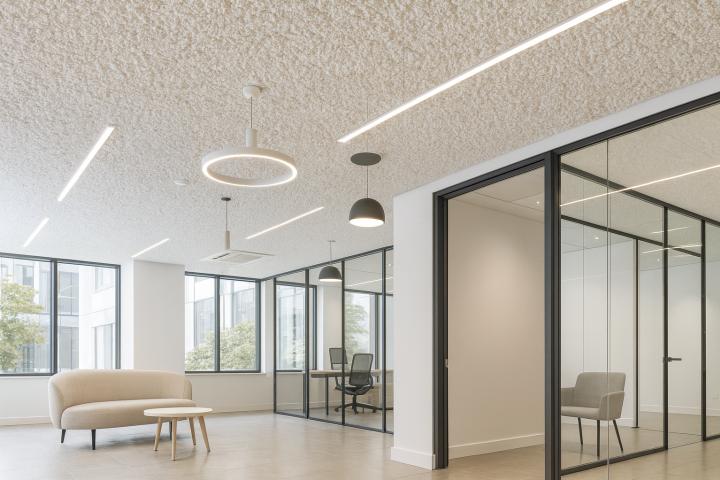
Historical acoustic ceilings were often utilitarian and visually uninspiring. Modern Acoustic Ceiling Panels from Tranquil Global blend sound absorption with high-end architectural aesthetics:
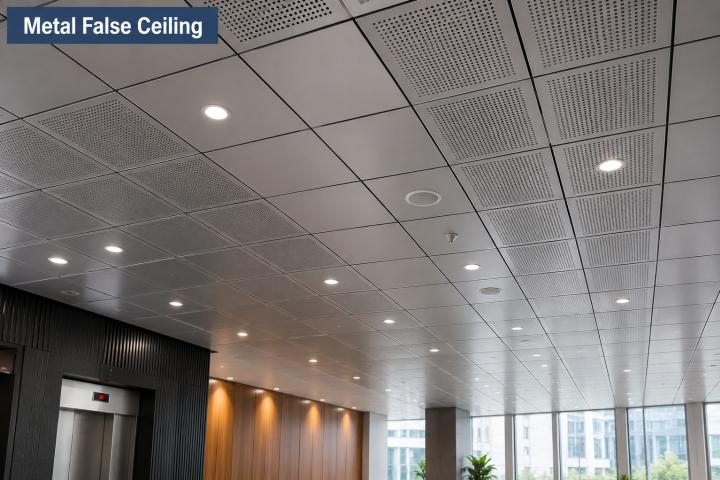
- Direct-attach Ceiling Panels: Ideal for low-clearance spaces where maintaining ceiling height is essential.
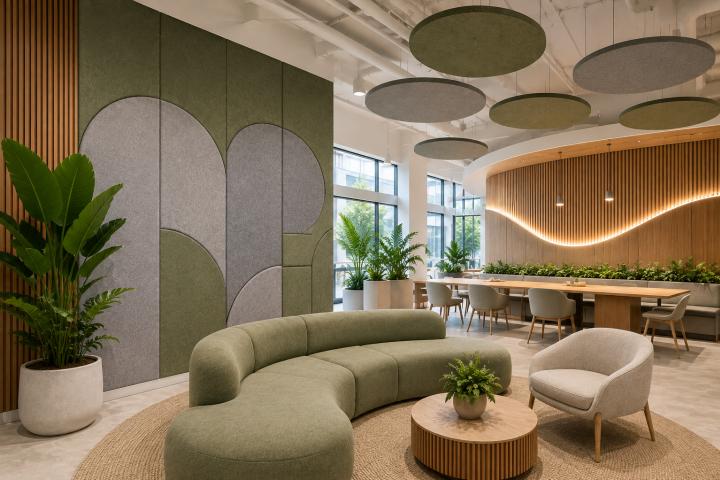
- Suspended Acoustic Baffles and Islands: Perfect for open-plenum concepts, adding visual depth, linear >
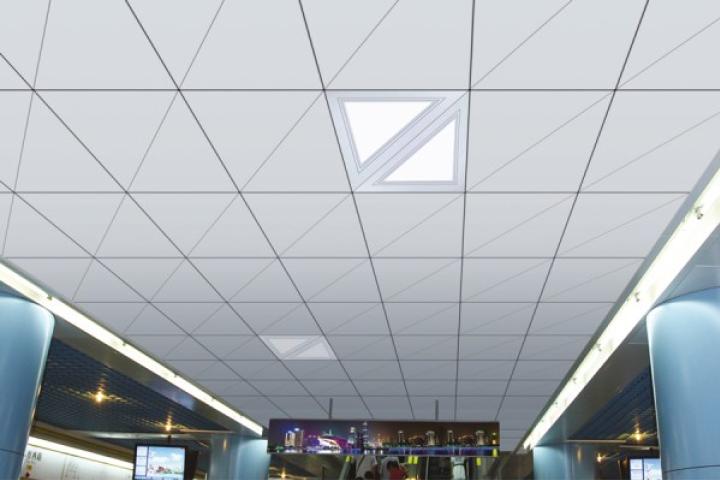
- Seamless Acoustic Tile Grids: Clean, minimalist drop-ceiling designs that offer easy access to above-ceiling MEP utilities while maintaining a sleek finish.
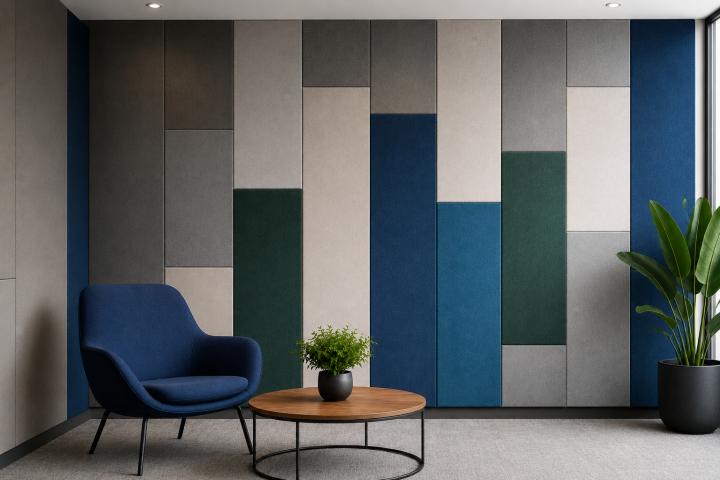
- Custom Geometric and Textured Formats: Precision-cut PET or fabric-finished panels tailored to corporate brand colors and contemporary design themes.
Conclusion
Acoustic quality is no longer a secondary interior feature, it is a primary driver of commercial real estate value. Unmanaged noise drives tenants away, while acoustically optimized environments foster productivity, satisfaction, and long-term lease loyalty.
By installing high-performance Acoustic Panels for Ceiling applications, building owners can protect their investments, boost tenant retention, and maximize asset value. Tranquil Global delivers engineered Acoustic Ceiling Panels designed to bring quiet elegance and proven acoustic performance to any commercial property.
Elevate Your Property Value with Tranquil Global
Looking to improve tenant satisfaction and upgrade your commercial space's acoustic environment? Tranquil Global provides industry-leading acoustic ceiling solutions tailored to your building's exact specifications. Contact Tranquil Global today to speak with an acoustic expert, request product samples, or receive a customized proposal for your project.
FAQs
1. How do acoustic ceiling panels improve tenant retention?
By reducing speech echo, background noise, and sound transmission between spaces, acoustic ceiling panels create a quiet, comfortable environment. This directly addresses top tenant complaints, leading to higher satisfaction and increased lease renewal rates.
2. Can acoustic ceiling panels be retrofitted into existing buildings?
Yes. Tranquil Global acoustic ceiling panels can be easily retrofitted into existing commercial spaces using direct-attach adhesives, mechanical fasteners, or by hanging suspended clouds/baffles without major structural alterations.
3. What is the difference between ceiling sound absorption and sound blocking?
Ceiling absorption panels reduce echo and reverberation within a room to lower indoor noise levels. Ceiling blocking barriers stop sound from passing through the floor/ceiling assembly into rooms directly above or below.
4. How do I choose between direct-attach panels and suspended acoustic baffles?
Direct-attach panels are best for low ceilings where maximizing headroom is critical. Suspended baffles or clouds are ideal for high, open-plenum ceilings where dual-sided surface absorption and modern visual layering are desired.