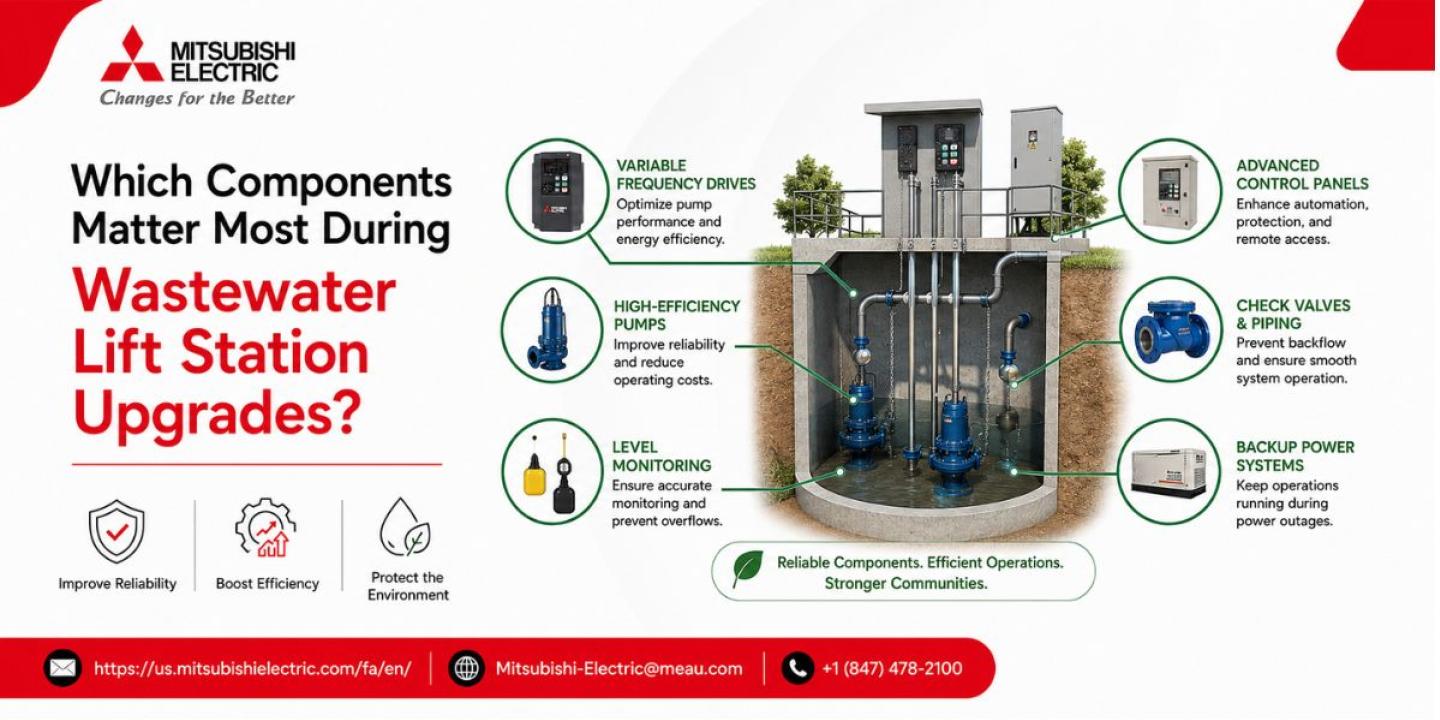
Most lift stations will move waste water for years with little warning until a pump fails, alarms are common or energy costs begin to increase. At that moment it’s tempting to think that the obvious approach is to replace one of those worn parts. But upgrading is best done, in many cases, when communities look at the complete control and pumping system. Reliability can be improved when wastewater lift station upgrades touch on pumps, controllers, drives, monitoring and communication as interrelated pieces of one system.
The right priorities depend on the age of the station, flow requirements, maintenance history and operational conditions. A full evaluation can show you what needs immediate care and what can remain in operation.
Pumps Still Form the Core of the System
Pumps are the main way to move wastewater via the collection system. Reliability is directly affected by their state.
Pump Condition Should Come First
Pumps can wear out, clog up, have seal problems or otherwise not work properly as they age. Repeated failures may be an indication that maintenance is not enough anymore.
Operators should evaluate pump run time, starts, performance trends and failure history to determine if replacement is warranted. These details can tell whether a pump is degrading or being pushed outside of proper working parameters.
Clogging Can Increase Maintenance Demands
Wipes, rags and stringy objects can lead to repeated obstructions. A pump that gets clogged up time and time again can mean plenty of hands-on work and emergency calls.
Modern pump-control technology can feature anti-clog or de-rag functions designed to automatically recognize and respond to specific obstruction situations. The right method will depend on the pump and the architecture of the station.
Controls Can Make an Aging Station More Visible
Mechanical equipment can sometimes remain useful while the controls operating it become outdated.
Modern Controls Provide Better Diagnostics
Older starters, relays and PLC platforms may not offer much insight into what is happening inside the station. Modern controls can offer information on pump status, operating conditions, warnings and performance.
That added visibility can help operators see anomalous activity before it turns into a big breakdown.
Control Compatibility Matters
The new control platform should communicate with existing equipment, if possible.
When wastewater lift station upgrades, municipalities should consider communication capabilities, existing SCADA infrastructure, future growth and availability of replacement components. Sometimes a staged method for modernizing is less disruptive than replacing everything at once.
Variable Frequency Drives Can Improve Pump Control
A VFD can alter the response of a pump to changing flow circumstances. It can be adjusted to the demand of the system, instead of running at one pace.
Speed Control Can Reduce Mechanical Stress
VFDs can enable smoother acceleration and deceleration. This can reduce excessive inrush current and mechanical stress while giving operators more control over the functioning of the pump.
Modern drives are also capable of providing information on torque, current, temperature, run time and load conditions. That data can be used to assist in identifying abnormal operations sooner.
Energy Performance Should Be Evaluated
Lift stations consume a great deal of energy over its operational lifetime. Constant speed pumping sometimes cannot meet changing flow needs.
VFDs control pumps, allowing pump speed to be adjusted to demand and may minimize energy use in suitable applications. The actual results rely on the system design and the operational conditions.
Monitoring and Reporting Support Better Decisions
Modern equipment becomes more useful when operators can see what is happening across the station.
Sensors Provide Real-Time Information
Operators can learn the present circumstances from level sensors, pump status information, alerts and other instruments.
This information becomes more useful when paired with a centralized monitoring system. Operators can respond to anomalous conditions without depending simply on routine site inspections.
Reporting Helps Identify Recurring Problems
Detailed wastewater lift station reporting performance helps detect trends that may not be apparent from individual repair calls.
Operators may see run times, alarm history, pump behavior, and other patterns. This information can help towns make informed decisions on where to focus future improvements, rather than relying on assumptions.
Communication and SCADA Should Not Be Overlooked
Modernizing a lift station means more than just upgrading the physical plant. It also requires a dependable means to collect and exploit operational information.
Centralized Monitoring Improves Visibility
SCADA integration allows pulling information from several stations into one central interface. Operators can more efficiently monitor conditions, examine trends and respond to alarms.
This may be especially valuable for utilities that operate several plants with a small maintenance crew.
Cybersecurity Belongs in the Upgrade Plan
The Connected Equipment introduces further access and communications considerations. When municipalities upgrade control systems, they should review network design, user rights, software updates and other cybersecurity policies.
How Should Municipalities Prioritize Components?
Not all stations require the same upgrade package. The investment should be guided by site conditions.
Start With the Highest-Risk Issues
A history of failures, the age of the equipment, frequent clogs, energy use, maintenance costs and limited visibility might assist pinpoint where modernization would bring the greatest advantage.
The goal of wastewater lift station upgrades, to prevent the same reoccurring problems, don't just replace what failed most recently.
Plan for Future Requirements
Equipment selection might be influenced by population growth, fluctuating wastewater flows, manpower limits and future technology needs.
A scalable method can facilitate future changes and prevent a need for another significant modernization effort so soon after this one.
FAQs
Which lift station component is most important to evaluate first?
There is no unique first element. Municipalities shall start with the piece of equipment or operating condition that poses the greatest danger of loss of service. Next, pumps, controllers, drives, sensors and communication systems must be evaluated as an integrated system.
Can existing pumps remain in place during a modernization?
Yes, in some instances. If the pumps are mechanically sound and compatible with new controls, the municipality may be able to upgrade the surrounding equipment without having to replace the entire pumping system.
How can municipalities measure whether an upgrade worked?
Useful metrics include pump failures, clogging rates, energy use, maintenance visits, alarm patterns, operational hours, and reaction times. Comparing these measures before and after modernization will give you a better sense of performance.
Conclusion
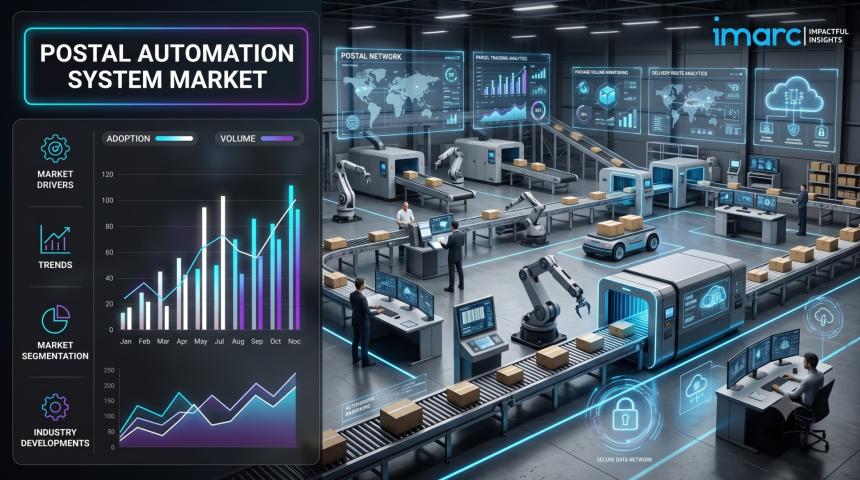
Successful wastewater lift station upgrades rarely have just about one component. A pump provides the motion, but it is the drives, controls, sensors, monitoring systems and communications networks that define how well that equipment performs. For municipalities assessing wastewater lift station options, today’s reliability should be compared with energy consumption, maintenance requirements, data visibility, and future capacity. The industrial use of conveyor system automation is different, but the notion of coordinated controls and real-time monitoring illustrates the importance of system-level thinking in updating vital infrastructure.