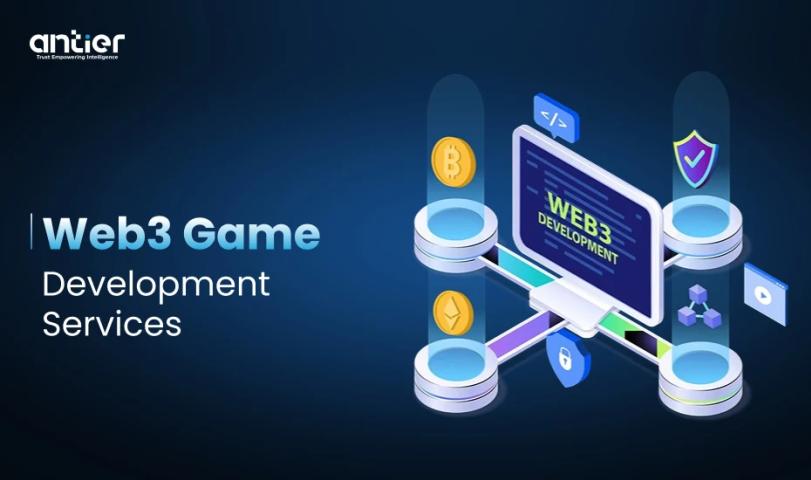

A Web3 development company provides services that help you build products that run on blockchain networks. These services support everything from smart contract logic to wallet actions, tokens, decentralized apps, and network setup. Web3 products work in a different way than normal apps, so having a clear view of what these companies offer helps you select the right support for your idea.
This guide breaks down each service in plain terms so you know what they mean, how they help, and what role they play in a real project.
What Web3 Development Services Cover
Web3 development includes many layers: contract logic, blockchain connections, user actions, tokens, identity checks, and security practices. A Web3 development company brings all these parts together. Their services help you move from an idea to a functional product that users can trust.
Most companies cover a range of services, but each team may be stronger in some areas than others. Understanding the services makes it easier to plan your project and ask the right questions when choosing a company.
1. Smart Contract Development
Smart contracts sit at the heart of many Web3 projects. They act as the core logic that controls actions such as sending tokens, running a sale, checking user rights, or managing digital assets. These contracts run on blockchain networks, so they need to be clear, safe, and built with care.
What this service includes
-
Writing contract logic
-
Checking the logic for weak spots
-
Testing each function
-
Making the contract ready for live deployment
A good Web3 development company builds contracts that follow safe coding habits and respond correctly to user actions. They avoid complex or risky logic where possible and keep contract code easy to read. Since a contract cannot be changed once published (on many chains), clarity is important from the start.
2. dApp Development
A decentralized app, or dApp, connects users to a blockchain through an interface they can understand. The app may look like a normal website or mobile app, but behind the scenes it interacts with a blockchain network.
What this service covers
-
Planning the interface
-
Building the front end
-
Connecting the app to the chain
-
Handling user actions
-
Managing contract interactions
A good company builds dApps that load smoothly and show users exactly what will happen when they click a button. Wallet prompts, signatures, and gas details need to be shown in a clear and calm way. The goal is to make the experience easy enough that even someone new to Web3 can use the app without confusion.
3. Token Development
Many Web3 projects include tokens. These may be payment tokens, reward tokens, access tokens, or digital assets tied to a project goal. Token development must follow the rules of the blockchain it runs on.
Services in this area include
-
Building token logic
-
Creating supply rules
-
Adding burn or mint steps if needed
-
Testing token transfers
-
Publishing the token contract
The company should explain token rules in simple words. They should help you avoid token rules that could cause problems later or confuse users.
4. Wallet Integration
Wallets act as the bridge between the user and your Web3 product. Users sign actions, manage digital assets, and connect to your app through their wallet.
What wallet integration includes
-
Adding wallet connection steps
-
Handling sign actions
-
Managing failed connections
-
Supporting multiple wallet options
-
Keeping user data safe
Good wallet integration makes your product easy to access. A company should test wallet steps carefully so users do not face broken connections or unclear prompts.
5. Blockchain Network Selection and Setup
Choosing the right blockchain network is one of the first steps in a Web3 project. Each chain has different features such as speed, fees, community size, upgrade paths, and long-term support.
A Web3 development company helps you
-
Compare different networks
-
Match your idea with the best network
-
Set up the environment for development
-
Handle nodes, RPC endpoints, and testing tools
The company should be able to explain why a certain chain fits your idea. This avoids issues later where changes become harder after development starts.
6. Web3 Product Design and Planning
Before building, a Web3 company helps you plan each part of the product. This includes deciding which features need the chain, which can stay off-chain, and how users will move through the app.
Planning includes
-
Feature mapping
-
User flow design
-
Deciding on on-chain vs off-chain actions
-
Planning contract interactions
-
Preparing long-term growth steps
Good planning keeps the product simple and avoids unnecessary chain calls, which can slow things down or raise costs for users.
7. Full-Stack Development for Web3
A Web3 product has many parts beyond the chain. The back-end, APIs, front-end, and database must work smoothly with the smart contracts.
Full-stack services include
-
Building back-end logic
-
Setting up servers or serverless systems
-
Connecting APIs with blockchain calls
-
Building the front end
-
Handling user actions and feedback
A Web3 development company with full-stack skills can manage your whole product in one place, making updates easier and communication smoother.
8. Decentralized Storage Setup
Some files cannot stay on the chain because of size limits or cost. Decentralized storage networks solve this by giving you a safe way to store files without relying fully on a traditional server.
What companies offer
-
Adding IPFS or similar storage systems
-
Linking stored files to contract logic
-
Making files accessible but tamper-proof
-
Setting up storage for media, metadata, or large assets
This is important for NFT projects, content-heavy dApps, and apps that need permanent files.
9. Web3 Identity and Access Services
Some products need ways to check who the user is, what rights they have, or what steps they can perform. Web3 identity tools help control access without asking for user passwords or private data.
This service includes
-
Setting up wallet-based identity
-
Adding access rules
-
Connecting identity with contract logic
-
Handling permission steps
This keeps the user’s identity safe but still allows products to offer different access levels.
10. Contract Testing and Security Checks
A solid Web3 development company knows that safety is not optional. Smart contracts and dApps can fail if they are not checked carefully.
Safety checks include
-
Reviewing contract logic
-
Testing each function
-
Simulating user actions
-
Spotting weak spots early
-
Reviewing unsafe patterns
Even a simple contract can cause problems if one step is overlooked. Safety checks help prevent that.
11. Integration With Existing Systems
Some Web3 products need to connect with existing websites, mobile apps, or business systems. This may include linking user accounts, tracking actions, or connecting databases.
Integration services cover
-
API connections
-
Database syncing
-
Webhooks for chain events
-
Front-end integration
-
Data flow planning
A good team keeps these steps smooth so both systems work together without confusion.
12. Testing Across the Entire Web3 Stack
Testing is one of the most important parts of Web3 development. A Web3 product can fail if wallet tests, user-flow tests, or contract tests are skipped.
Testing covers
-
Contract tests
-
Interface tests
-
Wallet action tests
-
Load tests
-
Network tests
A reliable Web3 development company tests during every stage, not only at the end.
13. Deployment and Version Management
When the product is ready, the company handles the deployment steps. This includes publishing the smart contract, pushing the front-end live, and preparing version updates.
Deployment steps include
-
Final contract checks
-
Publishing the contract
-
Recording contract addresses
-
Running the front-end build
-
Linking everything together
Once deployed, smart contracts usually cannot be changed. So the company handles each step with care.
14. Post-Launch Support
After launch, a Web3 product still needs updates. New features may be added, bugs may appear, and user feedback may suggest changes.
Support includes
-
Bug fixes
-
Update planning
-
New features
-
Performance checks
-
Tracking user issues
A steady support plan keeps your product healthy over time.
15. Web3 Product Scaling
If your product grows, you may need more users, more features, or better performance. A Web3 development company helps plan for this growth.
Scaling services cover
-
Updating contract logic through upgrade paths
-
Improving interface performance
-
Supporting more wallet options
-
Allowing new features
-
Preparing for higher user activity
Good planning in the early build stage makes scaling easier later.
Conclusion
A Web3 development company provides services that cover every stage of a blockchain product—from planning and smart contract logic to dApp building, wallet actions, identity features, testing, security checks, deployment, and support. Each service plays a key role in shaping a product that runs smoothly and gives users confidence.
Understanding these services helps you choose the right company and plan your project in a clear and organized way. Web3 products grow best when built with careful planning, steady testing, and simple user flows. A company that offers these services with clarity and structure can guide your idea into a strong product. Launch Your Blockchain Product, Begin Right Now!