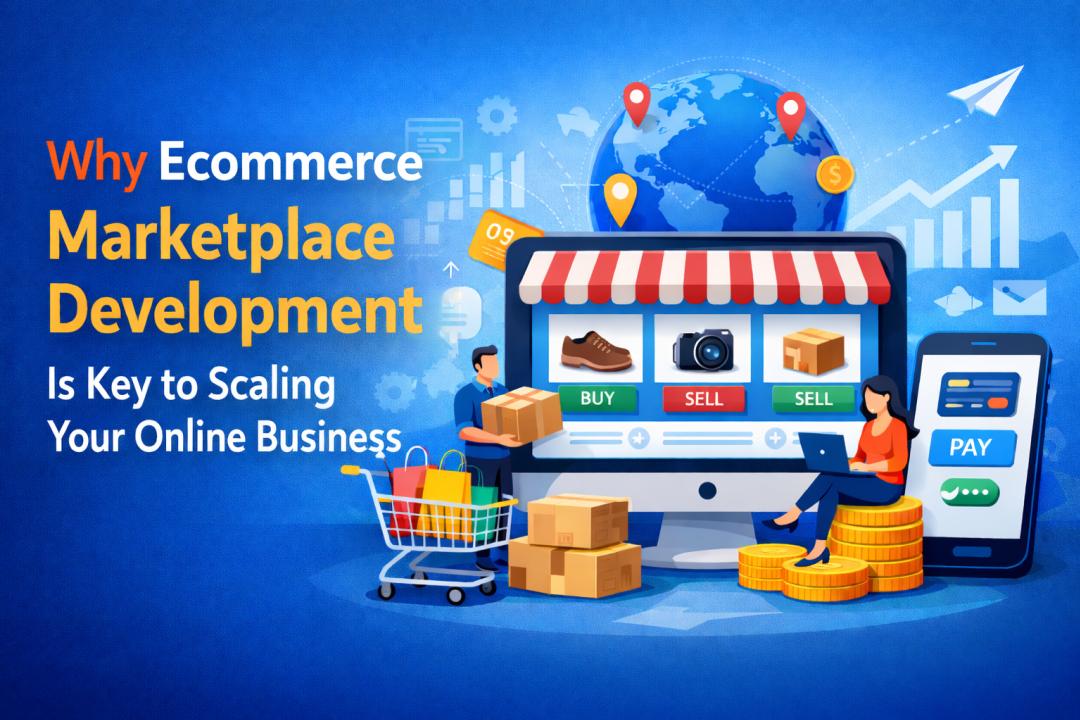
Ecommerce marketplace development is changing the way businesses grow online. It helps companies reach more customers, run operations more smoothly, and boost revenue.
With so much competition online, having just one online store can hold back your growth. Marketplace development services offer expert help to build scalable platforms quickly and effectively.
This article covers why ecommerce marketplace development is key to growing your business. You’ll find strategies, benefits, and practical tips for building a successful marketplace.
Understanding Ecommerce Marketplace Development
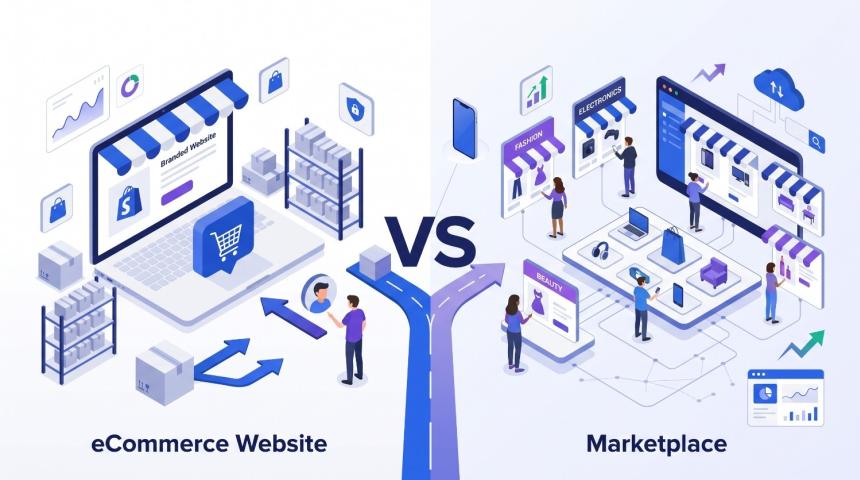
Ecommerce marketplace development means building a digital platform where many sellers can offer their products or services to a shared audience. Unlike a single online store, it connects different buyers and sellers for transactions.
Marketplaces have changed industries by creating a central place for buying and selling. For example, Amazon, Etsy, and eBay show how many sellers can succeed on one platform.
Key Features of a Successful Marketplace
A well-developed ecommerce marketplace includes:
- User-friendly interface – Simplifies navigation for buyers and sellers.
- Secure payment gateway – Ensures smooth and safe transactions.
- Vendor management tools – Helps sellers manage inventory, pricing, and orders.
- Scalable infrastructure – Supports growth without compromising performance.
Many businesses use marketplace development services to set up these features successfully.
Types of Ecommerce Marketplaces
Marketplaces come in several types:
B2C (Business to Consumer): Businesses sell products directly to consumers.
B2B (Business to Business): Companies sell goods or services to other businesses.
C2C (Consumer to Consumer): Individuals sell products to other individuals.
Hybrid – CombineHybrid: Combines several models on one platform. The right marketplace type depends on your business goals and target audience.
Why Ecommerce Marketplace Development Matters for Growth
Growing an online business takes more than just listing products on a website. A marketplace brings together many sellers, offers more products, and draws in more customers.
Marketplaces help build trust with reviews, ratings, and secure transactions, which leads to more loyal customers.
Expanding Your Reach
A single online store can only reach so many people. Building a marketplace lets you connect with new audiences, regions, and markets without spending a lot on marketing.
For example, a small electronics brand can reach thousands of new buyers by joining a marketplace. This method helps businesses grow faster than running a single online store.
Cost Efficiency
Marketplaces help lower operating costs. Sellers can use shared infrastructure, payment systems, and marketing tools. Multiple websites.
Sharing shipping and logistics helps cut costs.
Centralized customer service makes things run more smoothly.
Many businesses turn to marketplace development services to make the most of these cost-saving options.
Enhanced Customer Experience
Marketplaces make shopping better for users by offering:
A wide variety of products all in one place.
Multiple payment and several payment and delivery choices. New experience keeps customers returning, increasing lifetime value.
Steps to Successfully Develop an Ecommerce Marketplace
Building a marketplace takes careful planning and smart execution. Following clear steps helps you create a platform that can grow and make a profit.
Define Your Niche and Target Audience
Choosing a clear niche helps your marketplace stand out. Think about:
The types of products or services to offer.
Your target customer demographics.
Competitor analysis for gaps in the market.
Focusing on a niche makes your marketplace easier to find and helps your marketing work better.
Choose the Right Platform and Technology
Choosing the right technology is key for good performance and growth, and smooth marketplace integration ensures all sellers, payments, and systems work together without friction. Your options include:
Custom development: Gives you full control and is best for unique features.
SaaS solutions: Let you set up quickly with ready-made tools.
Open-source platforms – Flexible and cost-effective, but may require technical expertise.
Your choice depends on your budget, timeline, and long-term plans. Working with marketplace development services can help make the process smooth.
Develop Vendor Onboarding and Management System
A marketplace is only as good as its vendors. Create a system that:
Simplifies registration and verification.
Enables inventory and order management.
Tracks performance with analytics.
A strong network of vendors means more product choices and better service for your customers.
Focus on Security and Compliance
Security is key to earning trust. Make sure your platform:
Uses SSL and encrypted transactions and integrates a top online marketplace payment solution for secure and seamless payments.
Complies with GDPR, PCI-DSS, or other local regulations.
Monitors fraudulent activity proactively.
A secure marketplace helps buyers and sellers feel confident using your platform.
Marketing Your Ecommerce Marketplace
Even the best marketplace needs marketing to bring in users. A good strategy helps you grow faster and keep that growth going.
SEO and Content Marketing
Make sure your marketplace is easy to find on search engines:
Use relevant keywords in product listings and descriptions.
Create blogs, guides, and resources to attract organic traffic.
Optimize page speed and mobile usability.
This approach brings steady traffic without needing a lot of paid ads.
Paid Advertising
Running paid campaigns can help your marketplace grow faster:
Google Ads for targeted search traffic.
Social media ads on platforms like Facebook, Instagram, and LinkedIn.
Retargeting campaigns to bring back visitors who didn’t convert initially.
Paid ads work alongside your organic efforts and help more people notice your brand.
Email Marketing and Customer Retention
Email marketing helps keep users interested and encourages them to buy again:
Send personalized recommendations based on purchase history.
Notify about new products, offers, or promotions.
Request reviews and feedback to improve marketplace quality.
A good retention strategy helps you keep customers and grow your revenue over time.
Leveraging Analytics for Continuous Improvement
Analytics give you insights to improve your marketplace. Tracking key numbers helps you make smart, data-driven decisions.
Key Metrics to Monitor
Some important marketplace metrics are:
- Customer acquisition cost (CAC): Shows how efficient your marketing is. - Vendor performance: Tracks sales, inventory, and order fulfillment. - Conversion rates: Measure how many visitors turn into buyers. - Customer lifetime value (CLV): Shows how profitable a customer is over time.
Checking these metrics often helps your marketplace keep up with market trends.
Using Feedback to Improve
Getting feedback from vendors and customers helps you improve your platform:
- Surveys and reviews provide actionable insights.
- Identify pain points in the user experience.
- Test new features based on suggestions.
Using feedback to make changes keeps your marketplace competitive and easy to use
Case Studies of Successful Ecommerce Marketplaces
Looking at real-world examples can give you ideas for your own platform.
- Amazon: Started with books and now has millions of sellers worldwide.
- Etsy: A niche marketplace for handmade and vintage items that has built a loyal community.
- Alibaba: A B2B marketplace that connects suppliers and buyers around the world.
Each of these success stories shows how good marketplace development can help you grow and increase revenue.
Common Challenges in Ecommerce Marketplace Development
Building a marketplace comes with challenges. Knowing about them can help you avoid expensive mistakes.
Vendor Acquisition and Retention
It can be hard to attract good sellers. Offer incentives, support, and helpful tools to keep vendors for the long term.
Competition from Established Marketplaces
To compete with big marketplaces, you need to stand out:
- Focus on niche products.
- Provide a better user experience or lower fees.
- Build a strong brand identity.
Running a marketplace means you’ll have ongoing costs
Maintaining a marketplace involves ongoing expenses:
Server costs for scalability.
- Security updates and bug fixes.
- Adding new features as user demands evolve.
- Planning for these costs helps your marketplace grow in a sustainable way.
Future Trends in Ecommerce Marketplace Development
Staying ahead of trends helps marketplaces remain competitive.
- AI and personalization: Suggest products and automate customer support.
- Mobile-first experiences: Making your marketplace work well on smartphones is key for user engagement.
- Social commerce integration: Selling directly through social media platforms.
-Sustainable practices: More consumers now prefer eco-friendly and ethical marketplaces.
Adopting new trends early can give your marketplace an edge.
Conclusion
Ecommerce marketplace development is key to growing your online business. It helps you reach more people, save on costs, and give customers a better experience.
A well-designed marketplace brings buyers and sellers together, helping your business grow and earn more over time. Using the right technology, marketing, and analytics is the key to success.
Working with professional marketplace development services can make the process more efficient and accelerate results.
Start applying these strategies today to grow your platform, attract loyal customers, and achieve scalable success. Share your marketplace journey and insights to inspire others in digital commerce.